July 8 and July 9 looked like normal OpenAI launch days.
They were not.
On July 8, 2026, OpenAI introduced GPT-Live, a full-duplex voice system that can keep a conversation flowing while it pushes deeper work into the background. On July 9, it followed with GPT-5.6 and ChatGPT Work, which can browse, connect to apps, schedule recurring tasks, build deliverables, and stay on a project for hours.
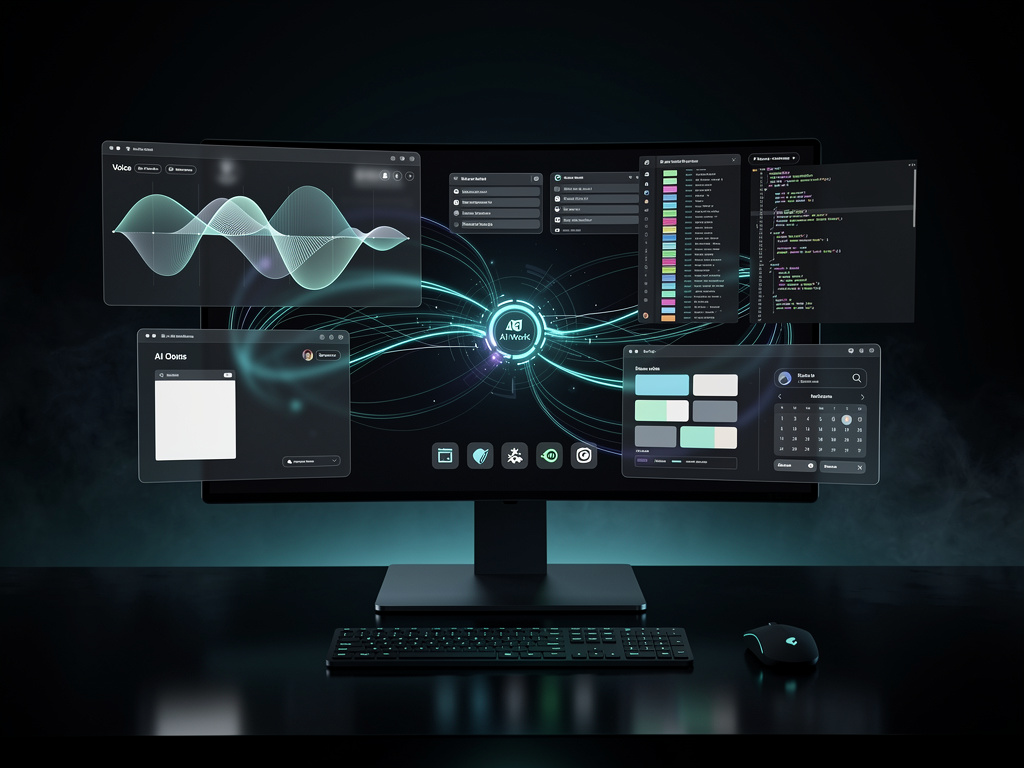
Line those releases up and the direction is obvious: ChatGPT is no longer being pitched as a chatbot with some useful extras bolted on. It is being pitched as a general work surface that can listen, browse, click, read local files, connect to business software, write code, and turn a goal into finished output.
That is a much bigger shift than one more model release.
If your "chat" app can browse the web, use local apps, connect Slack and Google Drive, schedule recurring jobs, build Sites, and switch into coding mode, chatbot is just legacy branding.
I wrote in Google Wants Search to Be Your Operating System that Google was trying to own the layer where intent becomes action. This week OpenAI showed the same ambition from the opposite direction. Google is moving outward from Search. OpenAI is moving outward from chat. Same land grab. Different starting icon.
This was not really a model launch
Yes, GPT-5.6 matters. OpenAI says the new family is stronger on coding, knowledge work, cyber, and science, and the ultra setting coordinates multiple agents in parallel. That is real. GPT-Live also matters on its own terms. Full-duplex voice is a big quality jump over the old stop-talk-wait rhythm, and OpenAI says GPT-Live can keep talking while a stronger model handles search or reasoning in the background.
But the more interesting story is the stack they assembled across those two days.
Natural voice becomes the front door. A stronger reasoning model becomes the brain. ChatGPT Work becomes the delegated labor layer. Plugins become the connective tissue into your files, email, calendars, and CRMs. The desktop app becomes the container for local apps, browser activity, and Codex workflows. Scheduled Tasks make the whole thing persistent.
That is not a product update. That is product architecture.
The old AI pitch was: ask better questions, get better answers. The new pitch is: hand over a piece of work and supervise the machine while it does it. That is a different relationship. It changes what users expect, what companies pay for, and what software categories start looking redundant.
ChatGPT Work is delegated labor, not nicer autocomplete
OpenAI says ChatGPT Work can create sheets, slides, docs, and Sites from your apps and workflows, follow templates and reference files, and keep chipping away at complex projects for hours. It also says Scheduled Tasks can repeat work, watch for changes, or run when events happen.
That matters because it moves the product promise far beyond drafting help.
Autocomplete saved people a few seconds. Summaries saved them a few minutes. A work agent is trying to save them ownership of the entire middle section of a task. Research the market. Pull source files. Update the sheet. Build the deck. Refresh the dashboard tomorrow morning. Keep going while I do something else.
That is why the launch examples matter more than the benchmark charts. Budget variance analysis. Campaign briefs. Sales prep. Weekly updates pulled from Slack and Teams. OpenAI is telling users not just what the model can do but what kind of labor they should start delegating.
ultra coordinates four agents in parallel by default. The signal is not the number. The signal is that multi-agent orchestration is now a product setting, not just a demo.
Once users get trained to think that way, the interface stops being "a place to chat with AI" and starts being "a place to assign work." That is operating-system behavior. Not because it replaces Windows or macOS, but because it becomes the top-level layer people use to tell the rest of the machine what should happen next.
Codex did not expand. It got absorbed
One of the clearest tells in the July 9 announcement is that the Codex app is merging into the new ChatGPT desktop app. OpenAI frames that as convenience, and sure, it is. But it is also strategy.
Coding is not being treated as a separate high-status niche anymore. It is being folded into a larger work surface alongside documents, browser actions, app context, and recurring tasks. The same desktop app can now open with Chat, Work, or Codex. That is not category separation. That is category collapse.
OpenAI also highlighted inline editing within diffs, pull-request review in the side panel, support for multiple repositories, faster computer use, and access to local files and apps. Read that list slowly. It is not describing a better answer engine. It is describing a software layer that can move across research, implementation, review, and execution without making you switch metaphors every five minutes.
This is how platforms eat categories. They do not always kill a tool head-on. Sometimes they just absorb its most valuable behaviors into the surface you already spend all day inside.
I keep thinking about my earlier post on the AI code overload review crisis. The output side of code generation is already exploding faster than humans can comfortably review it. OpenAI's answer is not to slow down. It is to place coding inside a broader orchestration layer where the same system can inspect, revise, review, and carry context across the whole workflow.
That may not solve the review problem, but it absolutely changes where the center of gravity sits. The valuable thing is no longer just the code model. It is the control surface around it.
Voice stopped being a feature and became the front door
The GPT-Live launch makes this even more obvious.
OpenAI says more than 150 million people already talk to ChatGPT each week using voice and dictation. GPT-Live improves that by letting the system listen and speak at the same time, show active attention, and offload harder tasks to a background model without breaking the conversational flow. At launch it does not support voice with video or screen sharing in the new mode, which is a useful reminder that the product is still incomplete. But the direction is still loud.
Voice is no longer just an accessibility layer or a novelty mode for asking trivia while driving. It is becoming the lowest-friction way to issue intent to an agentic system. That is exactly why I wrote in Typing Into Apps Is Starting to Look Old that software is moving away from rigid menu logic and toward conversational intent layers. GPT-Live pushes that trend further.
Once a system can keep the conversation moving while search, reasoning, or delegated work happens off to the side, the annoying dead-air problem starts to disappear. And once that happens, a lot more people will happily use voice as the command language for work, not just for quick questions.
The keyboard is not going away. But it is losing monopoly status.
The real product is the control plane
The deepest strategic detail in the July 9 launch is not GPT-5.6 itself. It is the surrounding control plane: plugins, browser use, local files, scheduled jobs, connected tools, approvals, and shareable Sites.
OpenAI explicitly calls out Slack, Teams, Google Drive, SharePoint, email, calendars, CRMs, project trackers, and internal tools. It also says ChatGPT can suggest relevant plugins, pull context from a named app, build Sites in public beta, and keep those Sites updated as the underlying information changes.
That is where the sticky product layer lives.
Models will keep improving across the market. Reasoning gains will get copied. Voice quality will keep converging. But the place where your permissions live, your recurring tasks live, your app connections live, and your context lives is where lock-in starts getting real. Once the system knows which tools to call, which files matter, what approvals you require, and how your recurring work is structured, it stops feeling like a model picker and starts feeling like your actual work environment.
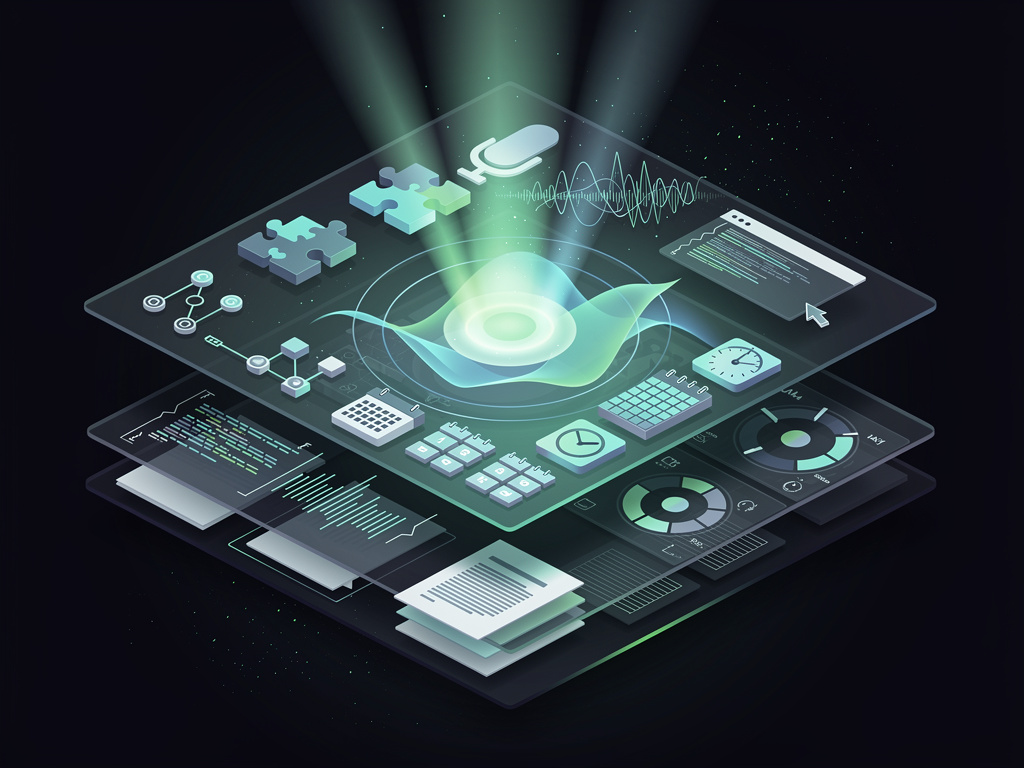
I wrote back in March in OpenAI Is Buying Everything and Merging It Into One App that the company was aiming at a superapp. This week made that look less like speculation and more like interface policy. The moment a company has to rename the old experience to ChatGPT Classic, it is telling you the old chat-only mental model is now the legacy version.
This is where the next software fight moves
The obvious winners from this shift are the companies that own the top-level intent layer. The obvious losers are the tools that get demoted into context providers, execution endpoints, or plugin slots inside someone else's surface.
That should worry a lot of software companies.
- If you make a productivity app, you may be heading toward "useful plugin" status unless users still want to live inside your interface.
- If you make workflow software, your moat gets weaker if a stronger agent layer can sit on top and coordinate the pieces.
- If you are a user, your biggest new problem is not just quality. It is trust, permissions, and whether you actually want one vendor mediating this much of your work.
That last point matters. The moment an AI product can browse, use local apps, schedule tasks, and take action across connected systems, mistakes stop looking like wrong paragraphs and start looking like wrong decisions. The more these systems become work operating layers, the more the market will care about governance, approvals, observability, and recovery from bad actions.
But even with that caveat, the broad direction is not hard to read. July 8 and July 9 were the clearest signs yet that OpenAI does not want ChatGPT to be a destination for answers. It wants it to be the layer above the rest of your software stack.
That is why this week matters.
Not because GPT-Live is smoother. Not because GPT-5.6 scores higher. Not because ChatGPT Work can make prettier slides. It matters because OpenAI is trying to redefine what the main software surface for knowledge work looks like, and a lot of people are going to adopt that new shape before they realize that is what happened.
ChatGPT did not just get better this week. It got more ambitious. It stopped acting like a chatbot and started acting like a work operating system.